Director
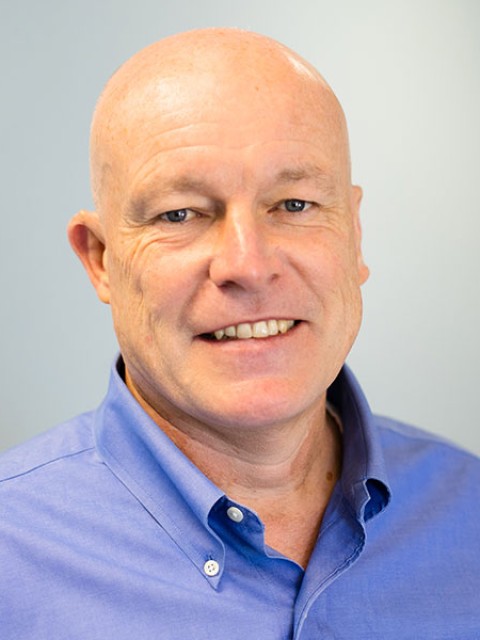
Jason Allen is a tenured Full Professor with joint appointments in the Department of Kinesiology (School of Education & Human Development) and the Division of Cardiovascular Medicine (School of Medicine) at the University of Virginia, where he directs the Exercise Physiology graduate program and co-directs the lab within the Robert M. Berne Cardiovascular Research Center.
He brings together three vantage points — researcher, clinician, and teacher — across vascular biology, nitric-oxide biochemistry, and clinical exercise physiology. He is a Registered Clinical Exercise Physiologist and Fellow of the American College of Sports Medicine, and a Registered Vascular Specialist through Cardiovascular Credentialing International. Over two decades his work has centered on the dietary nitrate–nitrite–nitric-oxide pathway as a therapeutic target, with parallel programs in vascular imaging, exercise oncology, and cardiovascular rehabilitation.
Emeritus Professor
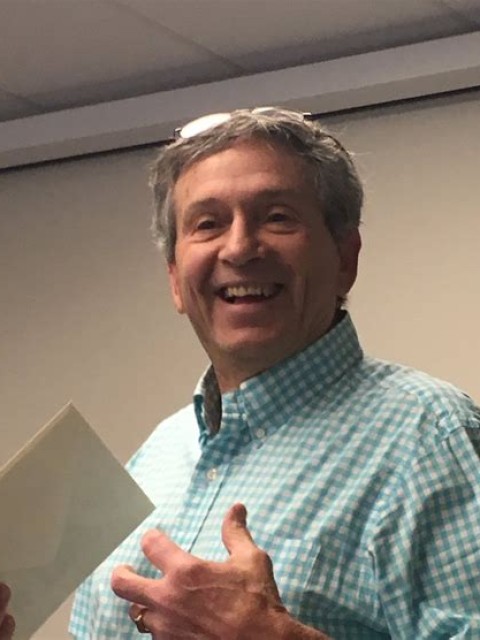
Arthur Weltman is professor in, and the founding chair of, the Department of Kinesiology at the University of Virginia. He holds a joint appointment as professor of medicine, where he has directed the School of Medicine Exercise Physiology Core Laboratory since its inception in 1990. His primary line of research focuses on the impact of exercise intensity — both acute and chronic — on clinical outcomes. He is known for his work on the blood lactate response to exercise; the effect of exercise intensity on growth hormone release; and the effects of exercise intensity on body composition, regional distribution of body fat, and vascular function.
Current lab members

Where they are now
A source of real pride: former members of the lab have gone on to postdoctoral, faculty, and industry positions of their own.
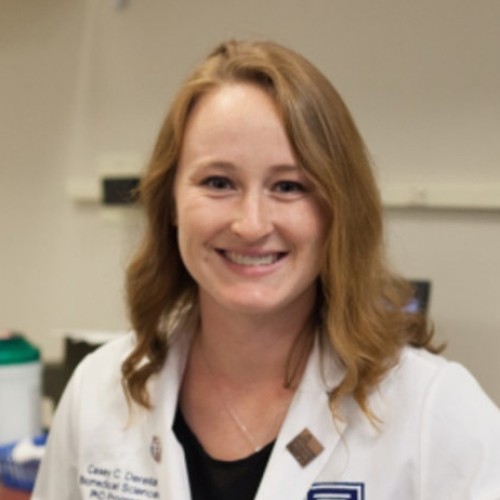
Now at Calroy Health Sciences
Casey was the lab's postdoctoral fellow, leading our work on inorganic nitrate, oxidative stress, and myocardial perfusion in postmenopausal females. She completed her postdoc in July 2026 and now works with Calroy Health Sciences, a company that translates vascular and nitric-oxide science into clinically researched health products — a close fit with her expertise in the nitrate–nitric-oxide pathway and vascular health.
Now at Karolinska Institutet
Joaquin earned his PhD in the lab, studying how inorganic nitrate and exercise improve cardiovascular health and exercise capacity — in peripheral artery disease, and across sex and the menstrual cycle in healthy adults and postmenopausal women. He is now a postdoctoral researcher in Juleen Zierath's Integrative Physiology group at Karolinska Institutet, investigating the molecular signals that regulate glucose transport in skeletal muscle and how exercise enhances insulin sensitivity in type 2 diabetes.
Now at UVA Health · Abbate Lab
Austin earned his PhD in exercise physiology in the lab in 2023, contributing to our work on inorganic nitrate, exercise intensity, and vascular health — including across the menstrual cycle and in women after menopause. He is now a postdoctoral fellow in cardiology at UVA Health, on Antonio Abbate's team at the Robert M. Berne Cardiovascular Research Center, studying how an anti-inflammatory therapy affects quality of life, exercise capacity, cardiac function, and inflammation in patients recovering from a large heart attack. In 2024 he was selected for the NIH Loan Repayment Program.
Now at UVA Endocrinology & Metabolism
Kara earned her PhD in exercise physiology in the lab, leading our work on how exercise intensity and sex shape the appetite-regulating hormone ghrelin — findings that were picked up by more than 100 national news outlets. She is now a postdoctoral fellow in UVA's Division of Endocrinology and Metabolism, studying exercise as medicine in clinical populations such as obesity and type 2 diabetes, and helping lead a community initiative in women's cardiovascular health across the lifespan.
Now at CU Anschutz · Moreau Lab
Emily completed her PhD in the lab in May 2026, leading our work on how exercise intensity, insulin sensitivity, and sex shape the appetite-regulating hormone ghrelin and metabolic responses to exercise. She has begun a postdoctoral fellowship with Kerrie Moreau in the School of Medicine at the University of Colorado Anschutz Medical Campus, studying vascular aging and women's cardiovascular health across the menopausal transition.
Next step · Air Traffic Control
Ben supported data collection across the lab's clinical exercise and vascular studies as a research coordinator. He is now pursuing a new career path, training to become an Air Traffic Controller.